Human Rights Commission of Pakistan & Others v. Province of Sindh & Another (C.P. 6265/2024)
The Sindh Women Agricultural Workers Act 2019 was enacted to “provide for the recognition of women’s work in agriculture” and “to ensure their participation in decision-making and to foster empowerment through work, and to improve the health and nutrition of women agricultural workers and their children.” The Act remained unimplemented for several years. Therefore, the petitioners approached the Sindh High Court for directions to the Sindh Government to implement mechanisms required under the law.
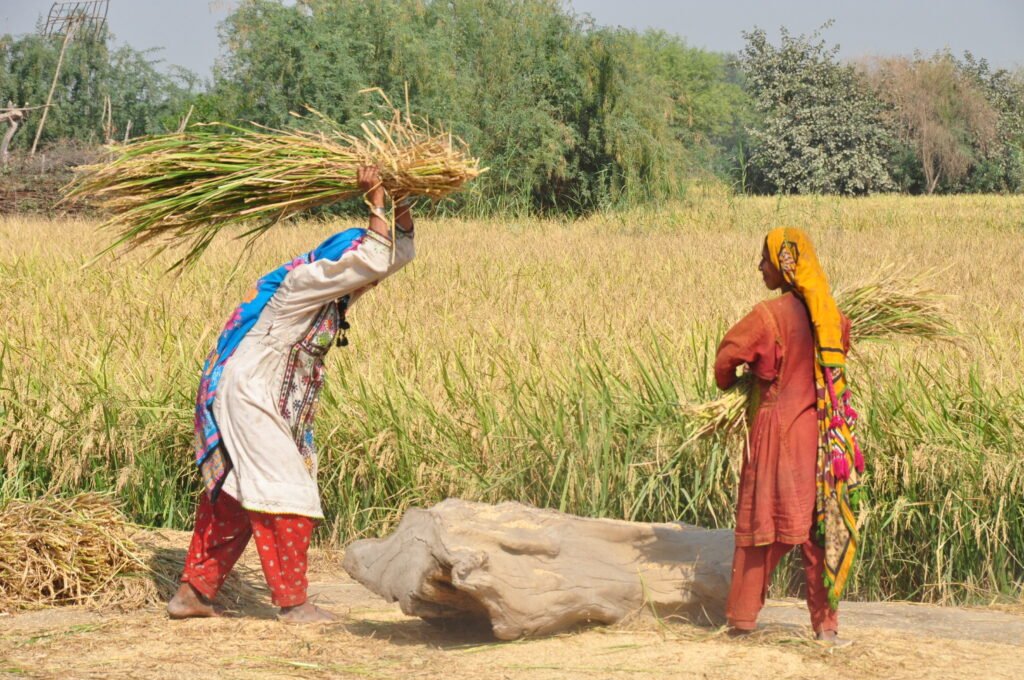
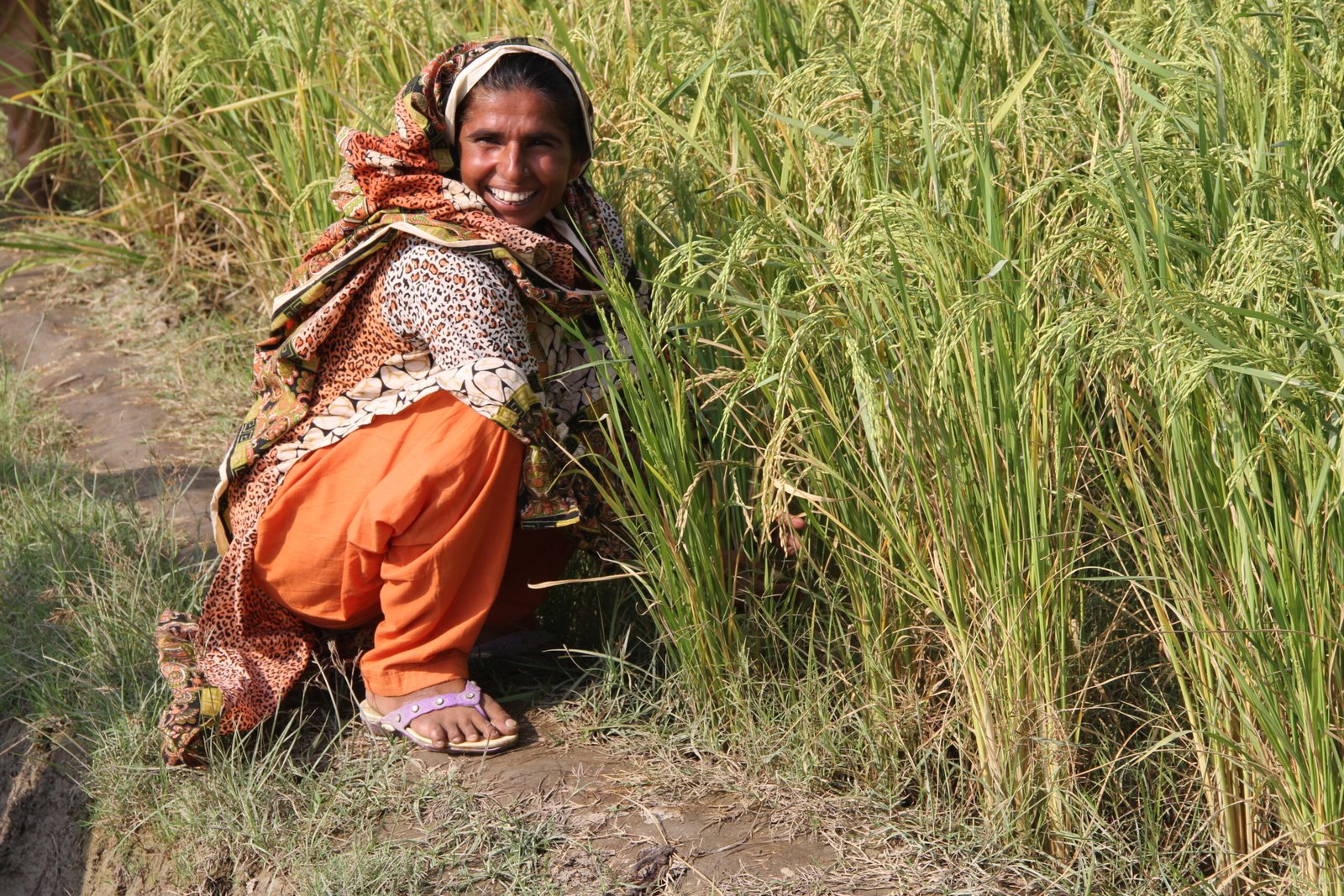
The labour of women agricultural workers across Pakistan, including Sindh, provides crucial support to the agriculture sector, which is a driver of Pakistan’s economy. Millions of women also engage in unpaid agricultural work that sustains their households. Such work includes rearing cattle, growing and collecting produce for household consumption. Unfortunately, women agricultural workers lack basic social protections and are highly vulnerable to exploitation.
The law requires the Government of Sindh to take a number of measures to protect and promote the rights of women agricultural workers, including the following: registration of women agricultural workers, recognition of women agricultural workers’ unions and the establishment of the Benazir Women Support Programme that is to “provide technical and financial assistance to projects initiated by local groups of women agricultural labourers for their livelihood …”
In response to directions of the Court, on March 18, 2026, the Government of Sindh notified the Sindh Women Agricultural Workers Rules, 2026. The rules set forth mechanisms for implementation of the Sindh Women Agricultural Workers Act, 2019, including a process for registration of women agricultural workers and the establishment of a board for the Benazir Women Support Programme.